
What is Finnish Mythology?
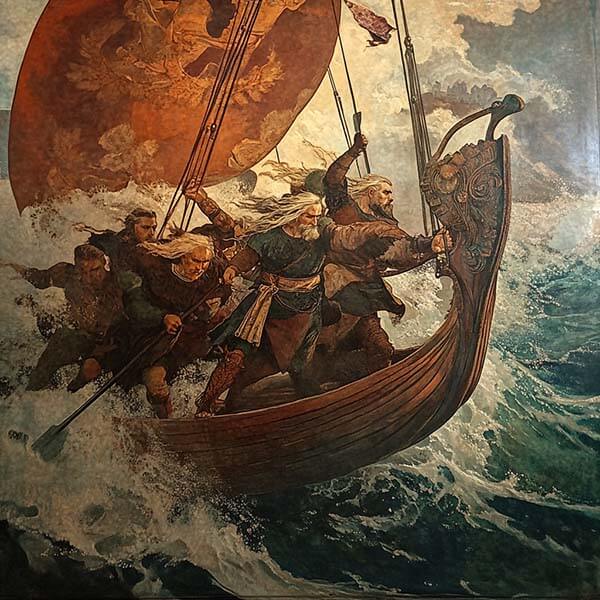
Finnish mythology is a combination of pagan folklore and the famous Kalevala, a collection of rune songs from Karelia. It has a strong focus on nature, animalistic beliefs, and oral traditions. The deities of Finnish mythology differ from those of Nordic mythology, though some commonalities exist. However, what makes Finnish folklore distinct is the Kalevala.
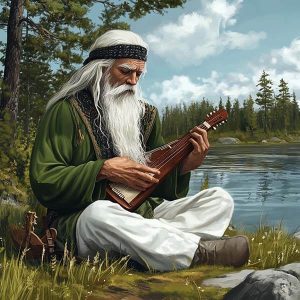
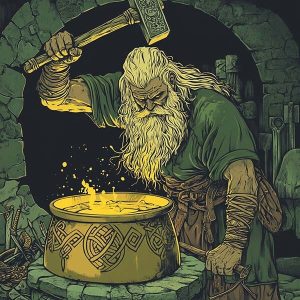
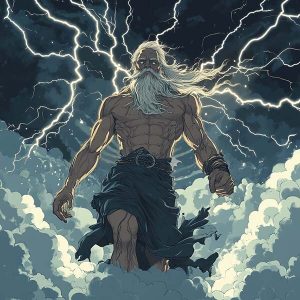
The Kalevala is a collection of traditional rune songs primarily from the Karelian region in southeastern Finland. It incorporates several deities from Finnish folklore; however, it centers on the stories of the three main heroes: Väinämöinen, Ilmarinen, and Lemminkäinen. The National Epic of Finland begins with its folklore’s creation myth, and ultimately ends with the arrival of Christianity in Finland.
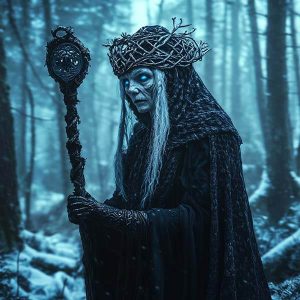
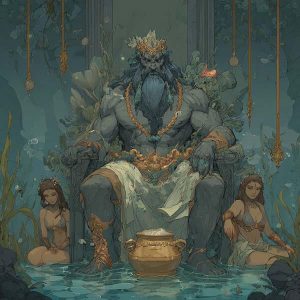
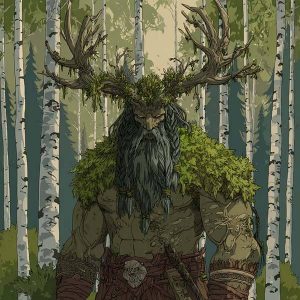
Despite being a Nordic nation, Finnish mythology features unique stories, characters, and deities distinct from those found in Nordic mythology. While some deities overlap and portray similar characteristics, such as Ukko and Odin, the majority represent distinctive Finnish values and concepts.

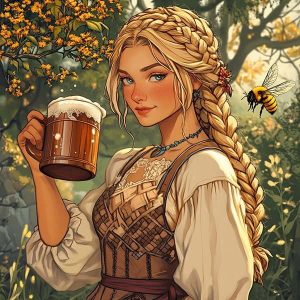
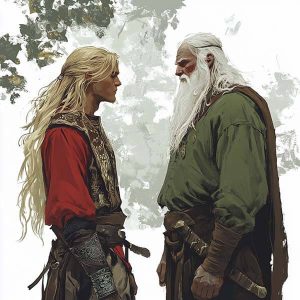

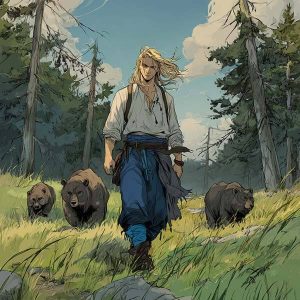
Gods of Finnish Folklore






What is the Cultural Significance of the Kalevala?
The efforts to compile and publish the Kalevala began in the early 19th century to preserve Karelian oral traditions. At the time, Swedish was the dominant language in Finland, spoken primarily in southern and western Finland. The Finnish language was more popular in the eastern and central regions of Finland and Karelia.
The publication emphasized Finnish culture and motivated political action for Finnish independence. However, many of the poems in the Kalevala originated in Karelian, a language that differs slightly from Finnish.
What is Karelian Rune Singing?
Karelia is a region of distinct geography and culture, most of which is part of northwestern Russia (partly due to cessions from the Winter War in 1940) and southeastern Finland. “Rune singing,” or runolaulu, preserved the folklore in the regions of Finland, Karelia, Estonia, and parts of the Baltic. Here, folklore was primarily an oral tradition, although some stories had written versions as well.
Runic songs were unique to this region, composed of rhythmic chants, poetry, and structures that utilized Uralic language nuances. Publishing the Kalevala helped preserve these ancient poems and promote Finnish culture throughout the region under Swedish rule. Rune songs have existed for nearly 1000 years; however, the written versions of these were inconsistent or nonexistent.

Finland’s National Epic
The Kalevala meter, which employs a trochaic tetrameter, comprises the distinct poems of the Kalevala. People across Finland and the Karelian region hold this work in high regard for its inspiring cultural awareness. Not only are the stories unique to the area, but the structure of the poetry is also distinct to the Uralic language base.
As one of the most significant pieces of literature originating from Finland, the compilation helps instill a sense of national identity and pride. Impressively, this reverence was so extensive that it led to the creation of a national holiday, Kalevala Day.
When is Kalevala Day?
Kalevala Day falls on February 28th, also known as Finnish Culture Day. Elias Lönnrot signed the first preface of the Kalevala on this day in 1835. Later, in 1865, students from the University of Helsinki (then known as the Imperial Alexander University) celebrated the anniversary of the original author’s signing. The first official celebration of Kalevala Day was born.
While celebrated by many Finns, major festivities took place on the centennial and sesquicentennial anniversaries of this date. In 1952, the Finnish almanac officially recognized this holiday as a flag day. Finally, in 1978, the day was formally recognized as a cultural celebration, leading to the addition of the Finnish Culture Day.
The Kalevala’s Inspiration in Popular Culture
The Kalevala served as a source of national identity for Finland, even while it was still under Russian rule. It provided insight into the culture, heritage, and representation of the Finnish people through poems, songs, and oral traditions.
This work also inspired many other literary and artistic influences worldwide. One of the most significant global influences was J.R.R. Tolkien’s The Lord of the Rings. A Tanzanian academic, Mugyabuso M. Mulokozi, also emphasized that the Kalevala was a “major literary event for Africa” after being translated into Kiswahili (Swahili). Furthermore, The Song of Hiawatha, by Henry Wadsworth Longfellow, follows the Kalevala meter and was primarily inspired by this compilation.