Juhannus is Finland’s Midsummer celebration, observed during the summer solstice in late June. It combines ancient pagan traditions, bonfires, sauna culture, and celebrations of the midnight sun.
Summer has finally arrived, and Finns look forward to enjoying the long summer days. After all, Finland, particularly in the northern part of Lapland, is one of the few parts of the world that enjoys the midnight sun.
Juhannus is the celebration of the summer solstice, or Midsummer, in Finland. Although many cultures around the world celebrate Midsummer, the Nordic regions particularly revel in these celebrations. After a long, dark winter, the Nordic nations enjoy “white nights” and the midnight sun.
The Pagan Origins of Finnish Midsummer
Juhannus was a significant holiday in Finnish paganism. It also marked the height of the growing season for farmers. This season represents fertility and abundance, as well as long days, in regions that typically experience cold, harsh winters.
Traditionally, pagan Finns lit kokkos (bonfires) near lakes to ward off evil spirits. These bonfires celebrate the sun’s dominance and honor Ukko. During this time, Finns would conduct rituals, divination, and dance to commemorate the day when the sun never sets. Celebrations of Midsummer centered on fertility, nature, and the honoring of Ukko.
Honoring Ukko: The God of the Sky and Fertility
The holiday corresponds with the summer solstice, which honors Ukko, the God of the Sky, Crops, and Fertility. In pagan times, Finns referred to festivals honoring Ukko around the summer solstice by several names, including:
- Ukon Juhla: meaning “Ukko’s Celebration.” Pagan Finns commonly used this name to refer to the festivals held around the summer solstice.
- Ukon Vakat: meaning “Ukko’s Bushels,” named after offerings (vakka) honoring the deity.
- Vakkajuhlat: a name used in the broader Baltic region, including Finland, Karelia, and Estonia, to honor Ukko.
Since Ukko was the principal God in pagan Finnish religions and folklore, celebrations in his honor were believed to bring bountiful harvests, good weather, and stability to ancient Finns. To show appreciation, revelers lit large bonfires (kokkos), typically near lakes or waterways, to ward off evil spirits. These bonfires also served as a spiritual connection, as Ukko was the God of Lightning, which was often perceived by Finns as “fire striking the sky.”
In some parts of Karelia, residents would light communal bonfires in their villages during celebrations for the summer solstice. In the center of these communal bonfires would reside a larger bonfire pyre, often called Ukko-kokko, or the “Old Man” fire.
The Christian Transition to St. John’s Day (Juhannus)
After Christianity took root in Finland during the 11th and 12th centuries, Midsummer festivals evolved to celebrate St. John the Baptist. From here, the name Juhannus came about to honor the Saint. Although Finns adapted the holiday to fit Christianity, many still celebrated the old pagan traditions that founded Midsummer festivities.
In the early 1800s, Finland went through a Romantic period. Finnish nationalism grew in popularity exponentially. Eventually, this spawned Elias Lonnrot’s collection of Karelian rune-songs in the national epic Kalevala. In the Romantic period, Midsummer festivities adopted poetry and cultural pride while retaining many of the old folk celebrations.
Essential Juhannus Traditions and Rituals
In modern Finland, celebrations tend to center on family, friends, and the start of summer. Many Finns enjoy spending time in the sauna, drinking, cooking, and swimming in lakes until the wee hours of the morning. Celebrations typically take place in a mökki (summer cottage). Family and close friends often meet together to ring in the festivities.
After the long and cold winters filled with perpetual darkness, Juhannus became perhaps the most important holiday to Finns. It not only marks the start of summer but also emphasizes the importance of love and fertility.
Magic and Fertility Spells for the White Nights
In pagan times, unmarried women would conduct rituals or spells to glimpse their future husbands. In some rituals, a woman would lean over a well, naked with a charm, to witness the reflection of her husband. However, the more popular ritual entails placing seven types of flowers under a pillow to invoke a dream of a future husband.
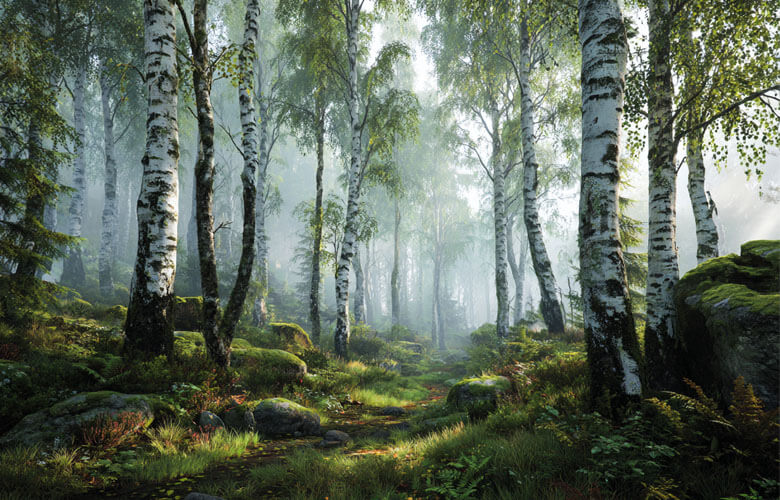
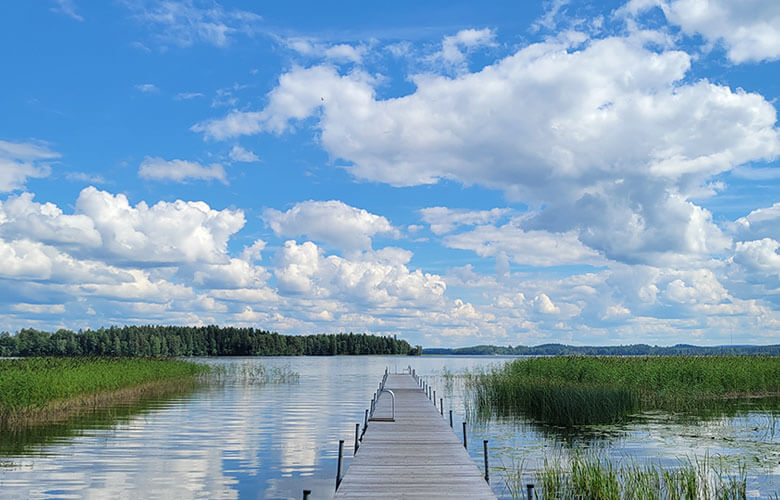
Despite the old traditions, Juhannus is more popular than Christmas among some families. This unique holiday offers many Finns the opportunity to retreat to their mökkis and enjoy time with nature. Most mökkis are built on the banks or near lakes. Being away from the city allows one to enjoy the forest and lakes, which ties deeply into the Finnish sauna culture as well.
Kokko: The Significance of the Midsummer Bonfire
Traditionally, kokkos, or bonfires, were lit near lakes to ward off evil spirits. Bonfires in the countryside are still common to this day. In major cities, some still celebrate this tradition with a city-sponsored bonfire.
However, most Finns prefer to travel to the countryside, away from the bustle of the city. Mökkis are common, and most Finns have a summer house or know someone who does at least. Cities are often sparsely populated during Juhannus, and traffic is certainly lighter.
The Role of Sauna, Vihta, and Nature Restoration
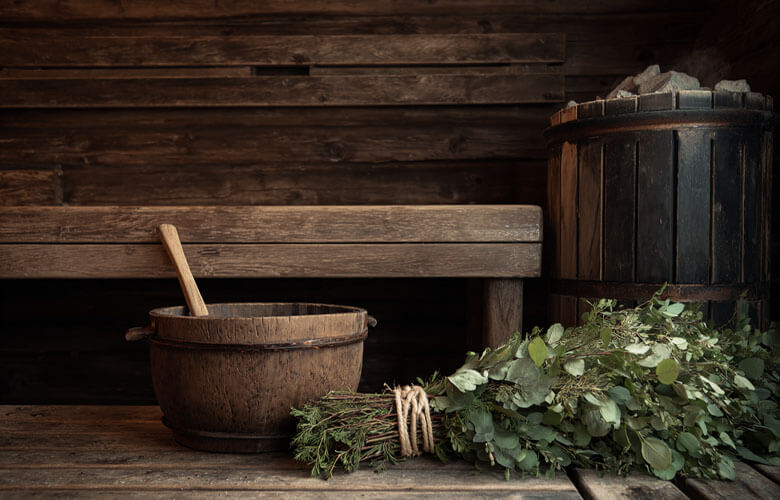
Saunas are imperative during Juhannus. The Finns are the original inventors of the sauna. As such, sauna culture is an integral part of the Finnish ethos. Vihtas are a collection of birch leaves tied together to create a bushel used for exfoliation. While in the sauna, Finns use these vihtas to flog parts of the body for enhanced circulation and exfoliation. The sauna becomes a haven for Finns to relax and recharge, and a digital detox for many.
Traditional Juhannus Foods and Culinary Customs
Fishing, cooking, and foraging are other typical summer activities. Finland has many wild berries, including elderberries, lingonberries, currants, blueberries, raspberries, and many more. There are about 37 edible wild berries throughout the Finnish countryside. Jams are made with these as well and enjoyed with lettu, a thin pancake similar to a crepe.
Karelian Pies and Traditional Culinary Dishes
Karelian pies are another unique Finnish dish. Baked rye dough and rice porridge filling make up this pierogi-style pastry. After baking, most people top it with an egg-and-butter spread.
Mämmi is another popular dish consisting of rye flour, water, malted rye, and orange zest. The result is a baked rice porridge with a flavor similar to molasses. Finns also enjoy Mämmi with milk, cream, or sugar. This dish is also very popular as an Easter dessert.
Understanding the “White Nights” and Midnight Sun
Finland, like its neighbors Sweden and Norway, enjoys almost complete sunlight throughout the summer months. The midnight sun occurs in regions north of the Arctic Circle.
Lapland enjoys 24 hours of sunlight for up to 2 months. While the capital of Finland, Helsinki, enjoys 19 full hours of sunlight between June 20th and 26th. However, even when the sun sets in Helsinki, the sky looks like early dawn. Finns call this phenomenon “white nights.”
During Juhannus, many Finns celebrate the long-lasting days after the prolonged dark winter. White nights allow celebrations to continue into the early mornings. And it’s easy to lose track of time with the perpetual sunlight.
What is the Difference Between the Midnight Sun and White Nights?
While both terms are almost synonymous, there is one key difference between these phenomena. The midnight sun occurs only above the Arctic Circle, where the sun never sets below the horizon line. On the other hand, regions below the Arctic Circle experience white nights, when the sun just barely sets, leaving the sky partially lit. The difference between the two is barely noticeable to most, particularly around the summer solstice. Because only a small portion of Norway, Sweden, Finland, and Russia lies above the Arctic Circle, the midnight sun is sometimes referred to when it should actually be called the white nights.
8 FAQs About the Juhannus, the Finnish Midsummer
What is Juhannus?
Juhannus is the celebration of Midsummer in Finland. This tradition started in pagan rituals to honor the harvest and the god Ukko. It was later converted to Christianity to honor John the Baptist. And in modern Finland is a time to celebrate the summer with family.
Is Juhannus a public holiday in Finland?
Yes, Juhannus is a public holiday in Finland. Much like a federal holiday in the U.S., most banks, businesses, schools, and government institutions observe the day off. Much like Christmas, Finns celebrate Midsummer Eve (Juhannusaatto) and Midsummer Day (Juhannuspäivä). These land on Friday and the following Saturday in the week of the summer solstice (betweeen June 20th-26th).
Does Juhannus coincide with the astronomical summer solstice?
While Juhannus is the celebration of the summer solstice, they rarely fall on the same days. The holiday used to land on June 24th, for the feast of John the Baptist. However, this changed in 1950s to fall on a Friday to adjust to the work week.
What is the significance of the kokko (bonfire)?
In pagan Finnish beliefs, kokko's would ward of evil spirits, bring good luck, and honor Ukko for a bountiful harvest. Today, they act as a gathering point of Finns to celebrate Juhannus. They are often lit near lakes or waterways.
Are there folklore superstitions to follow for Juhannus?
Yes, while not common in modern times, Finnish women would traditionally pick 7 wild flowers and place them under their pillow to receive a dream about their future husband. Furthermore, some people collect dew on Midsummer morning which is believed to be infused with magic.
Is Midsummer a festival of renewal in Finland?
Yes, Midsummer is traditionally a festival for harvest, fertility, and purification. Much like some New Years celebrations, Finns use this holiday to celebrate the peak of summer and nature's bloom.
Is the sauna a ritual for Juhannus?
Yes, most Finns spend time in the sauna for Juhannus. While it is a common tradition in Finland, it is a ritual of cleansing and renewal for Midsummer. Finns generally use birch branches (vihta or vasta) to lightly whisk their bodies. This promotes blood flow, exfoliation, and produces a pleasant aroma.
What are common foods and drinks for Juhannus?
Many Finns eat barbeque, cooked in a traditional kota, or grillikota, to smoke meat such as sausages (makkara), reindeer meat, or fish. Kota's are dedicated smoke houses that Finns use to barbeque meat. They also enjoy pickled herrings, fresh wild berries, and beer, wine, cider, or sahti.