The reach of the sauna has taken root all over the world today. To some, it can be a luxury, high-end spa experience, while to others, it’s a humble experience while relaxing in a cabin in the woods. Some cities even offer mobile saunas hitched to trucks, or floating saunas on boats in lakes and rivers. Regardless of where you experience it, Finnish sauna culture is integral to understanding the fascinating traditions of the happiest country in the world (for the 9th year in a row).
For Finnish people, however, the sauna is a symbol of national identity, a sanctuary, and a spiritual haven.
The Ancient Origin of the Finnish Sauna
The word “sauna” is perhaps the most well-known Finnish word worldwide. Very few other native Finnish words gained recognition in other countries. The sauna dates back over 2000 years and looked wildly different from the luxury versions you can experience today.
Ancient Finnish saunas were earth pits, dug into a slope, and covered with animal skins. Finns would heat rocks over fire pits until the flames extinguished, allowing the smoke to clear before covering the sauna. They heated the space by throwing water onto the hot rocks, which created steam. The steam, or löyly, is the spirit of the sauna, representing rejuvenation and cleansing vitality.
These earthen pits persisted until the Bronze Age, when technological advances led to the evolution of the sauna. During this period, smoke saunas, called savusaunas, gained popularity. These primitive versions had no chimneys, so smoke from the fire stayed within the space. Soot lined the walls, creating a smoky, rich aroma which traditional sauna enthusiasts still consider unrivaled.
The Cultural Significance of Sauna in Finland
Throughout their folklore and history, the sauna has played a significant role in everyday Finnish life. It has become the center of the life cycle. Before modern hospitals, many women used saunas as birthing chambers. Finns also used these spaces to wash the dead before burials. And yes! Finns have a long tradition of washing the bodies of the deceased before burial ceremonies.
In Finnish folklore, tonttus are small spirits that inhabit different areas. They are akin to elves or gnomes in different cultures. The sauna has its own guardian, the saunatonttu. These sauna spirits ensure cleanliness, respect, and enhance the spiritual experience one feels while enjoying the löyly of the sauna.
But be sure you abide by the etiquette of the sauna, or these tonttus might punish you, ruining the experience or bringing misfortune! Ultimately, the Finnish sauna culture provides a neutral space where people come together as equals and enjoy quiet harmony. Silence, after all, is a virtue for Finns!
Traditional Sauna Etiquette: How to Bathe Like a Finn
While you can find saunas across the world, etiquette is imperative to ensuring a peaceful experience for everyone. Finnish sauna etiquette emphasizes cleanliness, harmony, respect, and health.
- Respect the dress code. Finns prefer to enjoy the sauna in the nude. They are not shy to get naked around strangers in this setting. While this may be strange to some, feel free to wear a towel to cover up.
- Shower first. Cleanliness is imperative in the sauna. Shower before entering the space, but feel free to sit on a towel as well to maintain hygiene.
- Ovi kiinni (shut the door)! Retaining the löyly is perhaps the most important aspect of the Finnish sauna. Coming in and out is frowned upon as it allows the steam to escape.
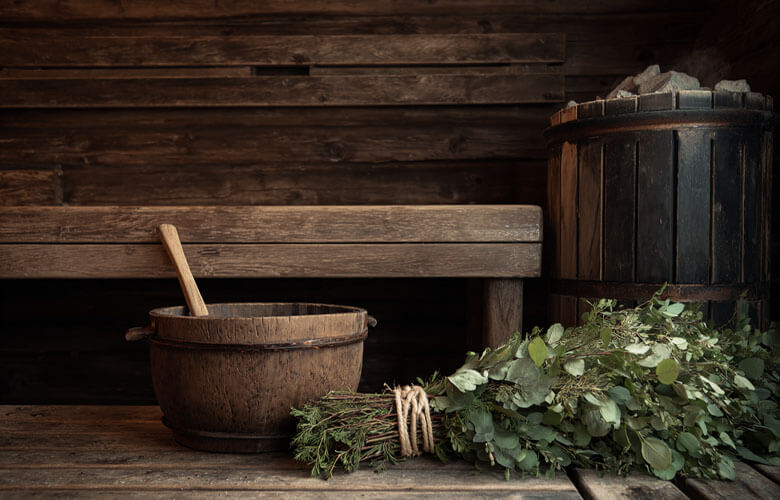
- Exfoliate with vihta. Birch twigs, wrapped into a bundle called a vihta, are used to help exfoliate the skin. You may see Finns flogging their backs with these. No, it’s not self-mutilation; this process helps increase circulation and provides a relaxing, natural aroma.
- Experience the Nordic Cycle. After heating up in the sauna, Finns traditionally take a dip in the lake to cool down. During the winter months, they might take an ice plunge or roll in the snow. After the cooling cycle, resting in a room-temperature environment helps your body stabilize. The Nordic Cycle is a process of applying hot and cold therapy to the body.
While sauna etiquette may vary across cultures, it is important to respect the dignity of the particular establishment you visit. In public settings abroad, nudity may be frowned upon, for example. Ensure you abide by the guidelines at your sauna to maintain a pleasant experience for everyone. Respect is paramount for the experience after all.
A Global Treasure: UNESCO’s Cultural Heritage List
The United Nations Educational, Scientific, and Cultural Organization (UNESCO) highlights cultural phenomena globally. While it focuses heavily on Europe, its goal is to protect cultural heritage. In 2020, Finnish Sauna Culture was officially inscribed in the UNESCO Representative List of the Intangible Cultural Heritage of Humanity.
By recognizing the significance of the sauna as a cultural tradition in Finland, UNESCO’s recognition promotes Finland’s ideology of equality, community, and well-being. While the sauna is a symbol of Finnish identity, it is open to everyone, regardless of religion, social status, or political beliefs.
Modern Sauna Significance: A Sanctuary in a Busy World
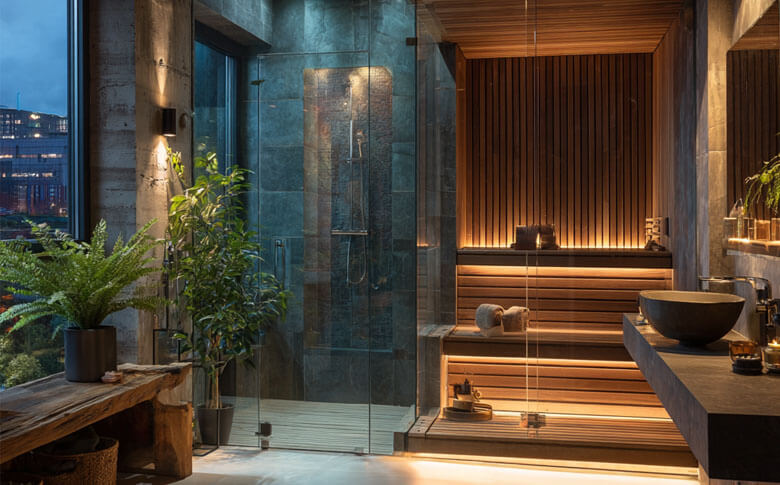
Saunas are present all across Finland. With a population of roughly 5.5 million people, there are an estimated 3.3 million saunas in the country. Traditional saunas exist in isolated summer houses, cabins, bathrooms of private homes and apartments, in community centers, corporate offices, and even the Finnish Parliament. Mobile saunas even pop up in large cities like Helsinki, either on trailers, boats, or tents.
Nature is an essential part of the Finnish way of life. As the digital age overtakes the workplace, schools, and daily life, the sauna is a place where Finns can find a moment of relaxation away from the hustle and bustle of the modern world. It has become one of the few places free of smartphones, allowing people to disconnect and enjoy an in-the-moment experience.
My Finnish Sauna Experience
I traveled to Finland in July of 2024, during which I experienced Finnish sauna culture firsthand. With a plethora of saunas across Finland, you have access to one almost anywhere you stay. While many hotels offer a public sauna, some, like the cabins at the Santa Claus Holiday Village, offer personal saunas in the bathroom. Most homes also have saunas built into their bathrooms next to the shower.
Finns also believe everyone has the right to enjoy nature. This concept, called jokamiehenoikeus (everyman’s right), ensures that you can explore most natural spaces. While in Helsinki, I took a midnight swim after a sauna in the Baltic Sea just outside my hotel. If you visit Finland, consider including a traditional sauna experience in your itinerary.
Don’t Forget the Sauna Beer (Saunakalja)!
While drinking heavily is not advisable in the sauna, many Finns enjoy a beer or a long drink there. A cold, refreshing, light beer is a quintessential Finnish experience that enhances relaxation. Enjoy your saunakalja, literally meaning “sauna beer,” either before, during, or after your experience. To make a truly Finnish experience, enjoy a sahti in the sauna!
11 Finnish Sauna Culture FAQs
How many saunas are there in Finland?
Throughout Finland, there are an estimated 3.3 million saunas. These can be found in public facilities, private homes, hotels, gyms, offices, and even the Finnish Parliament. With a population of only 5.5 million, Finland has the highest per capita sauna density in the world.
What does sauna mean in Finnish?
The word "sauna" comes from Finnish origins. Its dual meaning describes a dedicated bathing method and structure. Sauna" is the most popular Finnish word, and one of the few to receive mainstream attention worldwide.
When was the first sauna discovered?
The oldest prehistoric Finnish-style sauna dates back to approximately 7,000 BCE. Meaning the tradition goes back nearly 10,000 years. While Finland is credited with creating the first sauna, saunas existed in ancient cultures around the world.
Sourced from BBC News
When did Finnish sauna culture spread throughout the world?
While other cultures had their own versions of saunas, the traditional Finnish-style sauna gained popularity throughout Europe between the 12th and 17th centuries. In the United States, Nordic immigrants brought this culture with them, particularly in cold regions like Minnesota and Michigan in the early 1900s. However, in 1938, the electric sauna was invented. This technology, combined with the troops in the region during WWII, helped the sauna experience gain greater popularity.
Why is Finland known for the sauna?
The word sauna comes from the Finnish language; however, this phenomenon is associated with Finland due to its deep cultural significance in daily Finnish life. UNESCO's cultural heritage list has even recognized sauna culture in Finland.
What does "löyly" mean in Finnish sauna culture?
Löyly is the word for "steam" in Finnish. However, this word generally refers to the steam produced in a sauna. To many Finns, löyly is the "soul of the sauna", giving the space its meditative properties and health benefits. Löyly is created when water is poured over the hot rocks on a wooden stove or electric heater. In some traditional practices, vodka is used to replace water for additional aroma; however, this should only be reserved exclusively for wooden stoves. The word holds such significance that sauna enthusiasts are called löylymies (sauna men).
Why do Finns use birch whisks (vihta/vasta) in the sauna?
A person uses a vihta (used in western Finland) or vasta (in eastern Finland), a birch whisk bundle, to exfoliate the skin. While in the sauna, people use a vihta to slap or whisk the body, increasing circulation, promoting exfoliation, and creating a calming aroma.
Is nudity required in a Finnish sauna?
While Finns normalize nudity in Finland, they do not require it in Finnish sauna culture. The goal of the sauna is to provide a calming, relaxing experience. Individuals who do not wish to be naked typically wear a towel to cover themselves. Poolwear is discouraged in most public saunas, however, as it can contaminate the wooden benches with chemicals from the pool. While most saunas are single-sex, there are co-ed saunas throughout Finland as well.
What is the "Nordic Cycle" in sauna culture?
The "Nordic Cycle" is a form of contrast therapy (hot and cold) to promote wellness and health. This process consists of three phases: the heat phase, the cold phase, and the rest phase. While this isn't limited to the sauna, it is a general practice many sauna goers partake in. First, a person sits in the sauna, then takes a dip in a cold lake or shower, and finally rests. This process opens the pores, elevates the heart rate, and releases endorphins and adrenaline. The goal of the Nordic Cycle is to expose your body to small amounts of stress to build resilience.
What is the difference between a traditional Finnish sauna and other types of saunas?
Traditional Finnish saunas rely on dry heat, combined with humidity from steam when bathers pour water on the heated rocks. The main difference between saunas around the world lies in how steam is generated and the temperature the sauna reaches. The three most popular saunas include:
- Finnish Sauna: Reaches 170°F-200°F, uses a wood-burning stove or electric heater to generate steam from water.
- Infrared Sauna: Reaches 120°F-140°F; uses infrared lamps and electromagnetic radiation to heat the body.
- Turkish Bath: Reaches 110°F-120°F; uses a steam pump to generate moisture in the space.
What are the health benefits of a sauna?
Saunas provide a variety of benefits, primarily for stress relief and heart health. Studies from the Mayo Clinic show that using a sauna for 4-7 days considerably reduces the risk of heart disease and stroke. Furthermore, it is beneficial to maintain strong joints and relieve pain. Other studies indicate that regular sauna use improves respiratory and immune function while also promoting better sleep quality.